
Scintillation spectrometry
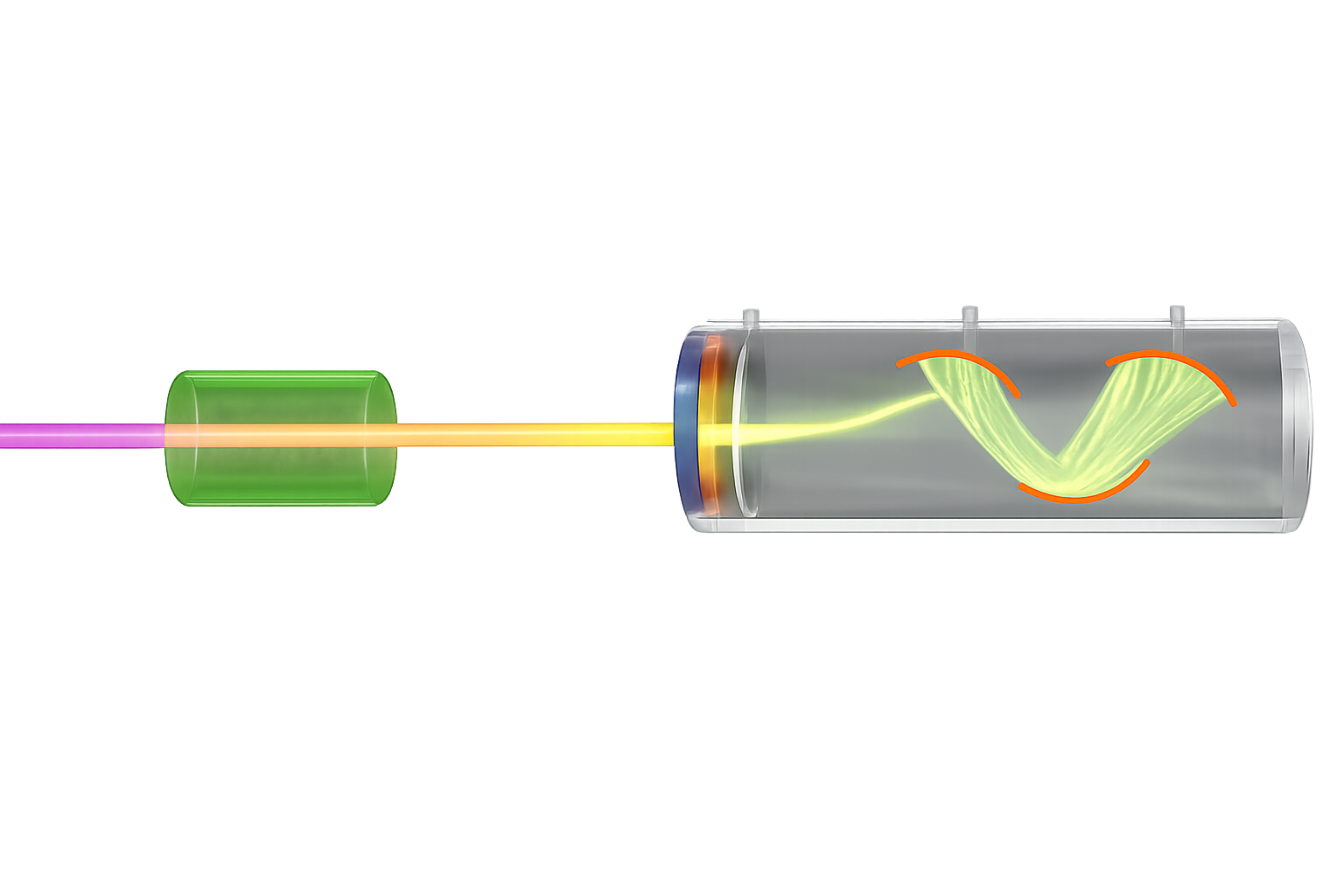
What a Scintillation Spectrometer Is
How a Scintillation Spectrometer Works
Scintillation Detector (Scintillator Crystal)
Light Collection and Photodetector
Signal Processing Electronics
Energy Spectrum Formation
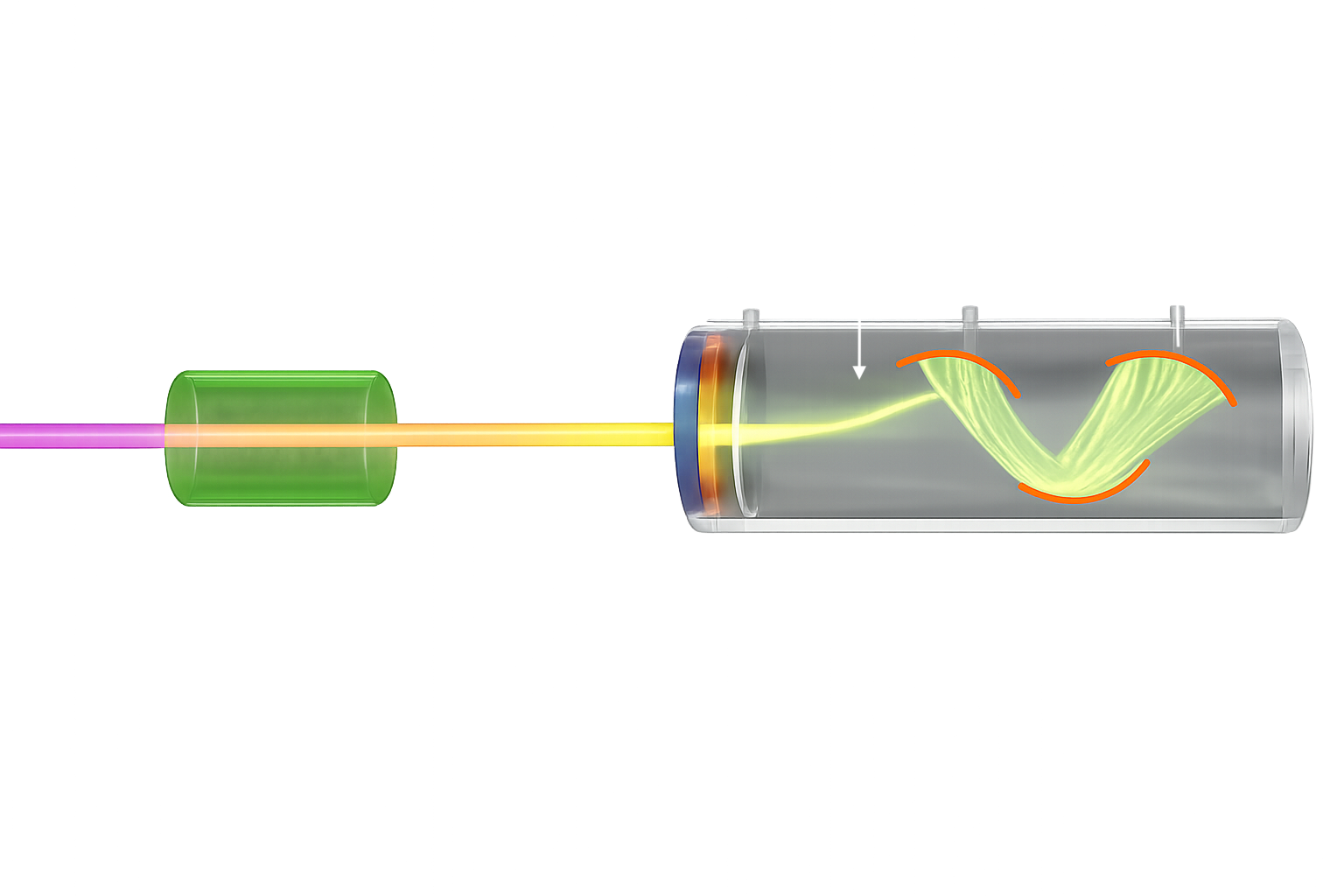
Who Can Use a Scintillation Spectrometer
- Security and regulatory authorities, responsible for radiation safety, border control, and nuclear safeguards.
- Physicists and nuclear scientists, who study atomic nuclei, particle interactions, and radiation processes.
- Medical professionals and medical physicists, particularly in nuclear medicine and radiation therapy.
- Environmental scientists, who monitor radioactive contamination in air, water, soil, and food.
- Engineers and technicians, working in nuclear power plants, industrial inspection, and quality control.
- Researchers and educators, using spectrometers for laboratory experiments and teaching purposes.

Where Scintillation Spectrometers Can Be Used
Border Crossings & Ports
Portable scintillation spectrometers are used at borders and ports to detect and prevent the movement of illegal radioactive materials, ensuring public safety and national security.
Research Laboratories
Scintillation spectrometers support nuclear and particle physics research by accurately measuring radiation energy and intensity.
Hospitals & Medical Imaging
Used in gamma cameras, PET scanners, and diagnostic laboratories to provide precise medical imaging and diagnostic results.
Nuclear Power Plants
Scintillation spectrometers are essential for radiation monitoring, fuel analysis, and maintaining safe reactor operations.
Environmental Monitoring
These instruments help detect and track radioactive pollution in air, water, and soil to protect the environment.
Industrial Applications
Used in non-destructive testing, quality control, and material analysis across various industrial sectors.
Fieldwork & Emergency Response
Portable and rugged scintillation spectrometers are ideal for geological surveys and emergency radiation assessment.
Why the Scintillation Spectrometer Was Invented
Who Can Use a Scintillation Spectrometer
Nuclear & Particle Physics
Used to study radioactive decay, nuclear reactions, and particle interactions, contributing to fundamental scientific research.
Medical Imaging & Diagnostics
Forms the basis of gamma cameras and PET scanners, enabling doctors to visualize physiological processes inside the human body.
Radiation Protection & Safety
Monitors radiation exposure in workplaces and the environment, helping ensure compliance with safety regulations.
Environmental Monitoring
Detects and quantifies radioactive contamination during routine surveillance, after nuclear accidents, and in long-term studies.
Environmental Monitoring
Detects and quantifies radioactive contamination during routine surveillance, after nuclear accidents, and in long-term studies.
Industrial Applications
Used in non-destructive testing, thickness measurement, density analysis, and detection of internal material defects.
Security & Nonproliferation
Essential for detecting and identifying radioactive materials in security screening and anti-smuggling operations.