IR Spectroscopy
- Home
- IR Spectroscopy
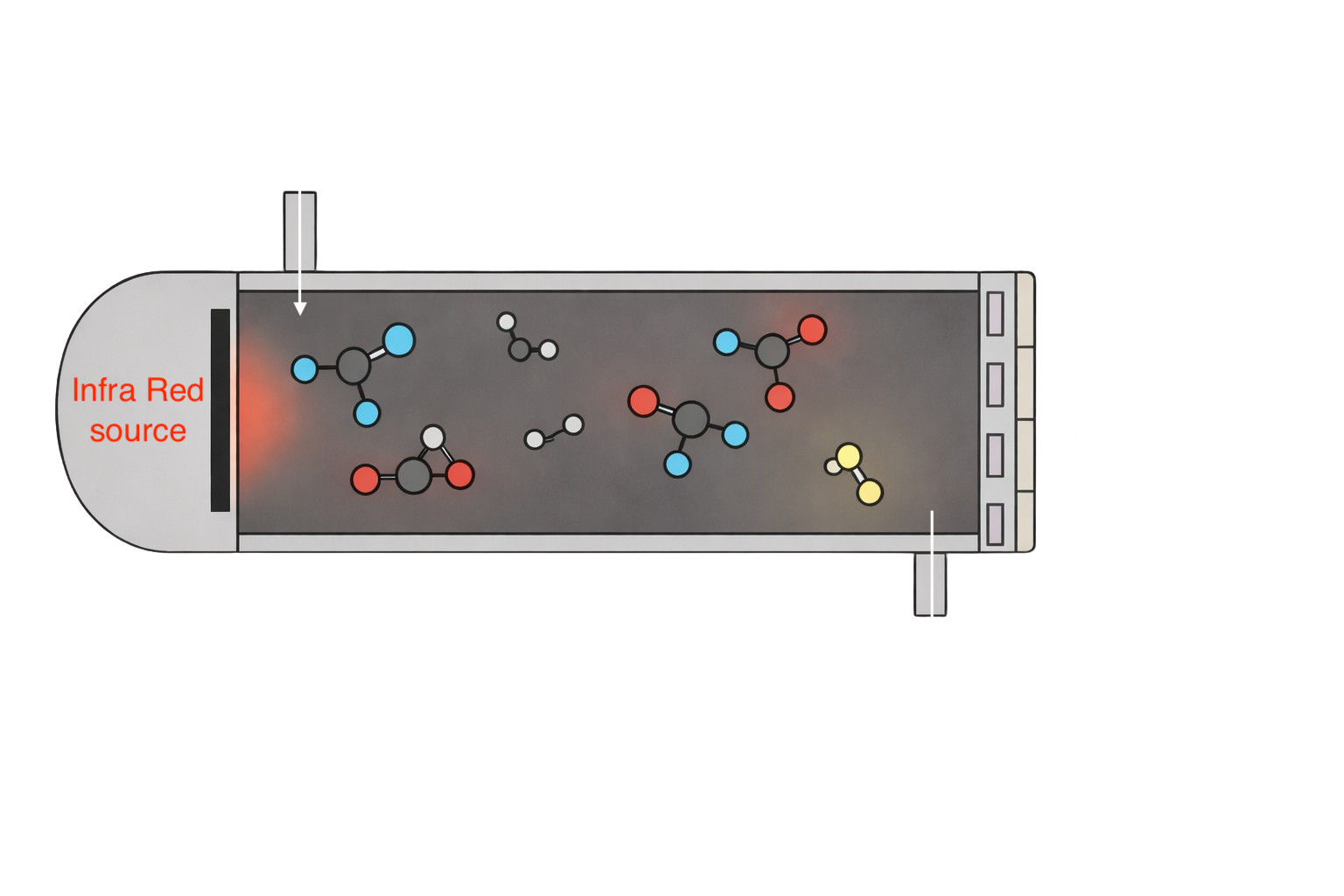
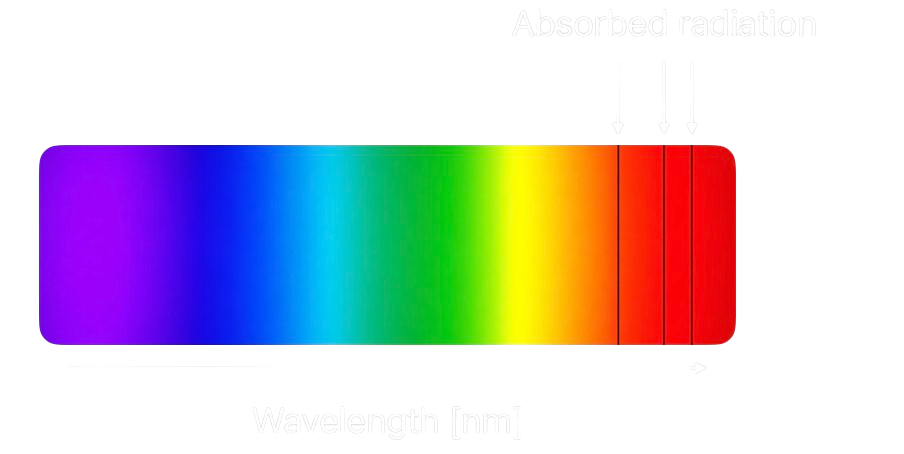
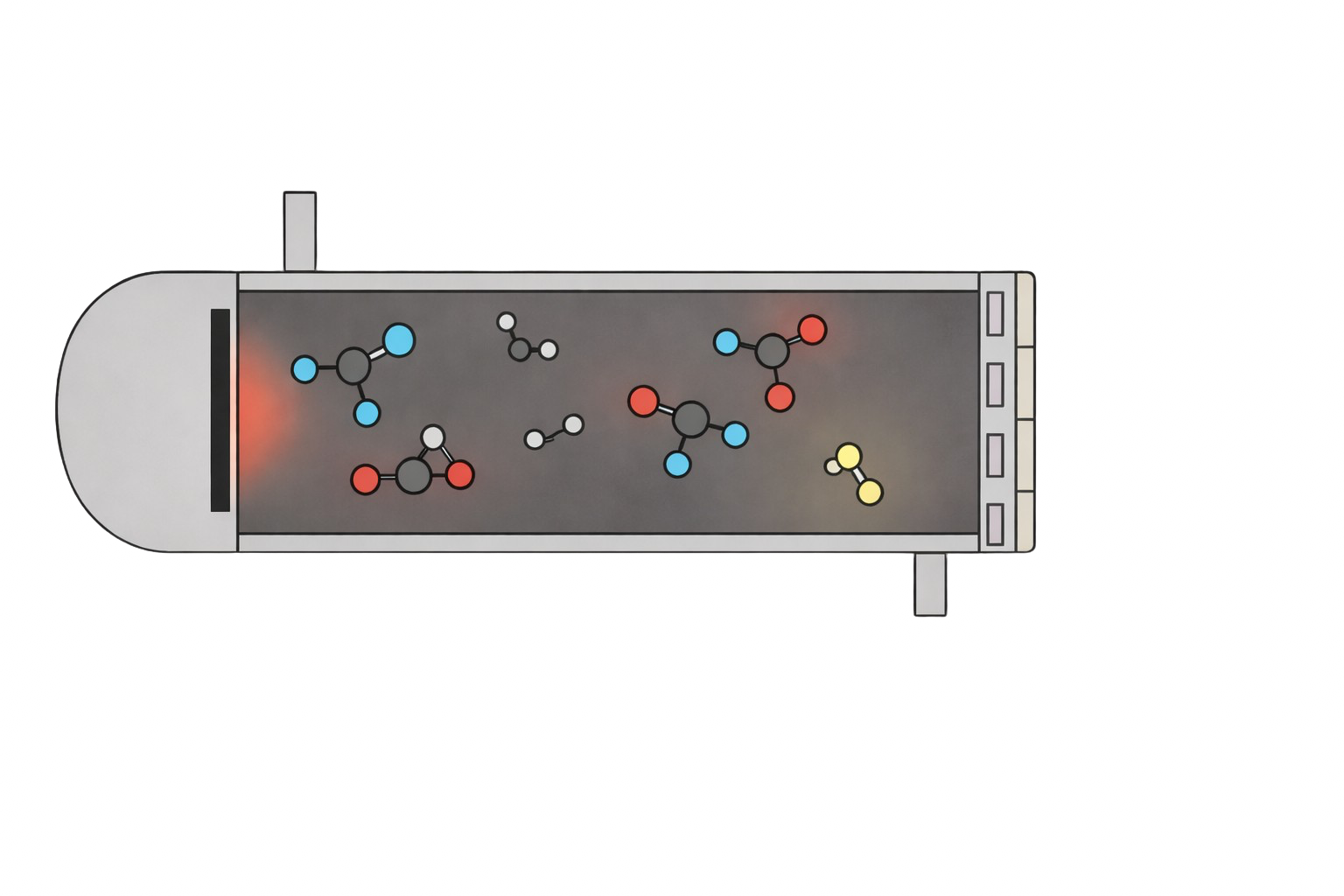
Infrared spectroscopy is a principle for organic and inorganic chemistry analysis using infrared light interacting with a molecule. Infrared spectroscopy exploits the fact that molecules absorb specific wavelengths of light that are characteristic of their structure. Selected molecules have specific resonant frequencies where the absorption of radiation with proper wavelength is significantly higher in comparison to other parts of the spectra. The level of absorption at a given wavelength can be precisely measured and recalculated to the amount of the substance of interest. By transmitting a beam of IR radiation through the air, or through any particular gas volume, and recording how much is transmitted at selected spectral lines, one may decide which gases are present and how much of each.